In this issue: June 2026 Patch Tuesday highlights, vulnerabilities in web browsers, Linux, Cisco, Fortinet, Palo Alto, Exim, SAP, BitLocker, MongoDB, and many more.
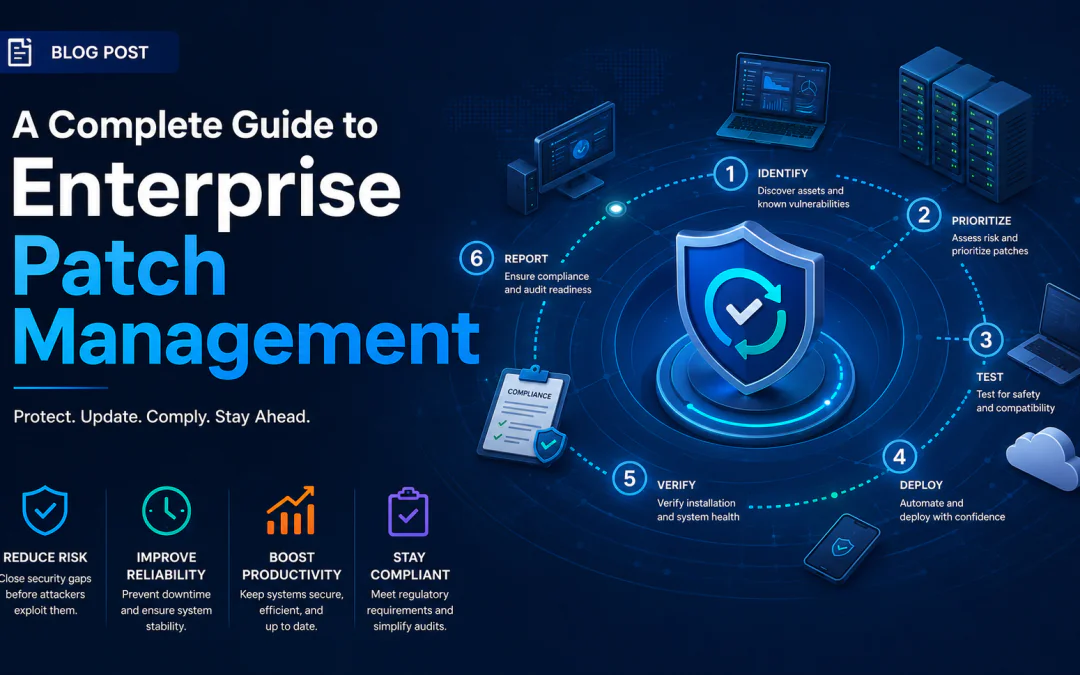
Enterprise patch management helps organizations identify, prioritize, test, deploy, verify, and report on software updates across endpoints, servers, operating systems, applications, and cloud environments. This guide explains why patching matters, what makes it difficult, and how automation improves security and compliance.
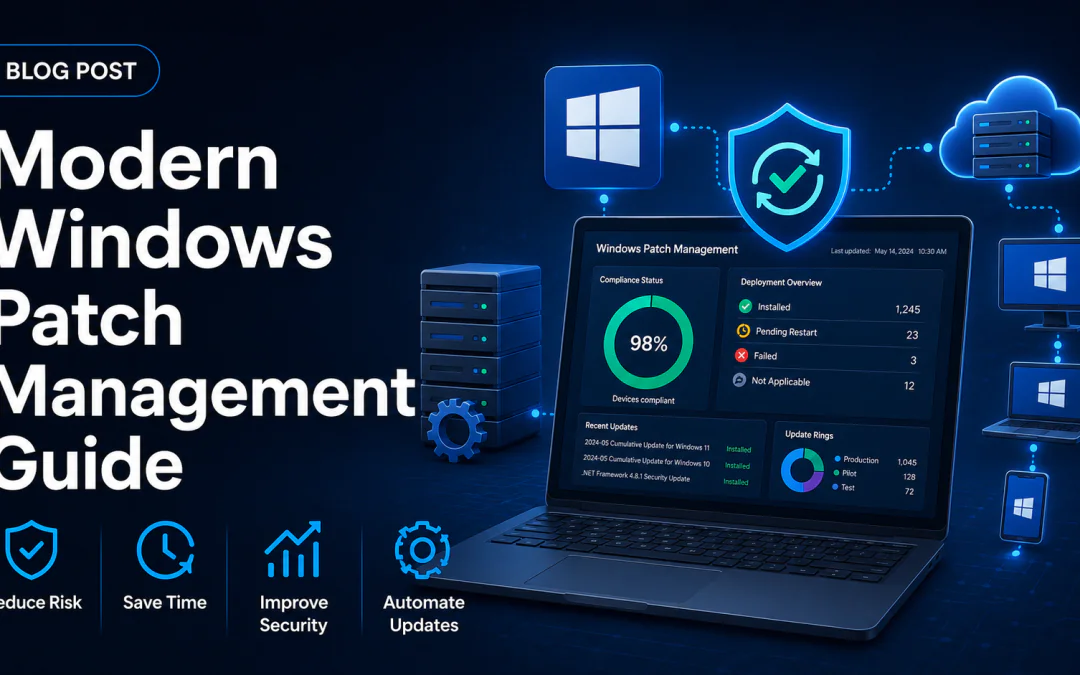
Learn how Windows patch management works, why automated patching matters for cybersecurity and compliance, and how modern organizations manage Windows updates across remote and hybrid environments.
Rockledge introduces security architecture updates focused on resilience, helping IT teams maintain trusted endpoint operations
Learn how cloud-based patch management works, why organizations are replacing traditional on-premises patching tools, and which features matter most for securing modern hybrid and remote environments.
Learn what open-source patch management is, why it matters for cybersecurity and compliance, and which open-source tools organizations use to automate patching and vulnerability remediation.
Discover the best unified endpoint management software in 2026. Compare Action1, Intune, NinjaOne, Jamf, Workspace ONE, and more across patching, automation, security, compliance, and endpoint management capabilities.
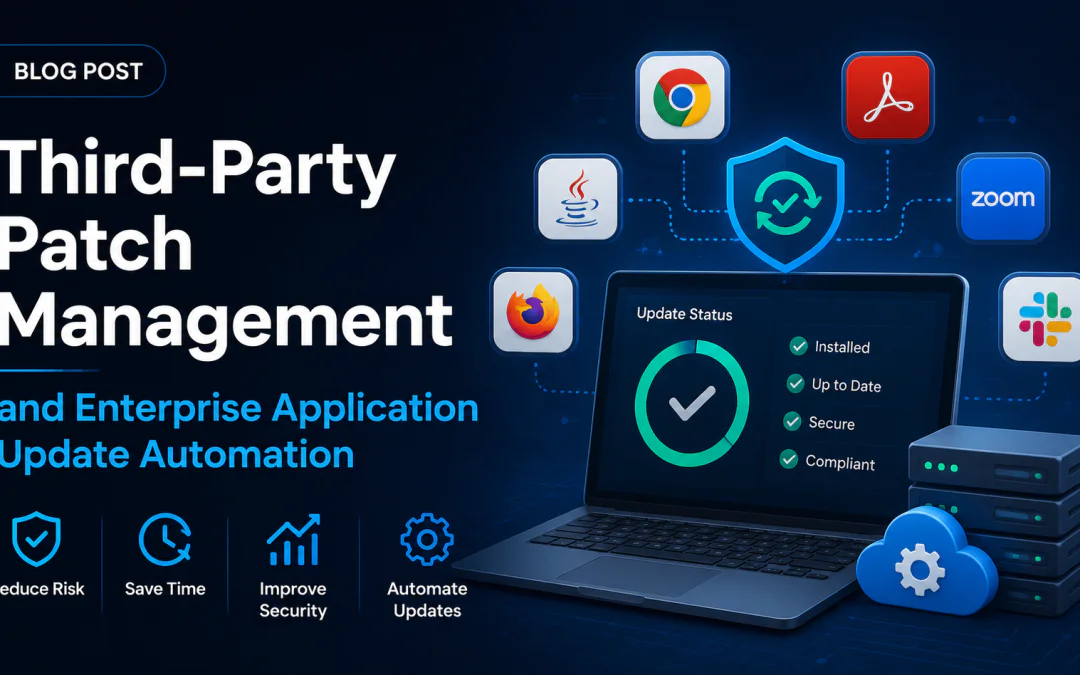
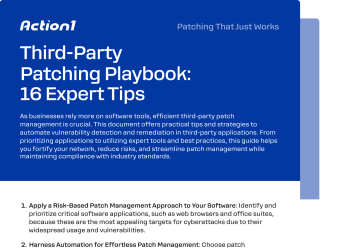
Third-party patch management helps organizations keep non-OS applications like Chrome, Adobe Reader, Zoom, Slack, and custom business apps secure and up to date. This guide explains the patching lifecycle, common challenges, automation benefits, risk-based prioritization, and how enterprise tools streamline application updates.
Searching for a better alternative to Microsoft Intune? This guide compares the top endpoint management and patching platforms in 2026, including Action1, NinjaOne, JumpCloud, Jamf Pro, and more. Discover which tools offer stronger cross-platform support, autonomous patching, simplified management, and better compliance reporting for modern hybrid IT environments.
Explore the complete enterprise Linux patch management guide for 2026. Learn how to automate Linux patching, prioritize vulnerabilities, manage reboots, prevent configuration drift, secure the software supply chain, and maintain compliance across Ubuntu, Debian, RHEL, SUSE, and hybrid Linux environments.
Discover the complete guide to Intune patch management in 2026. Learn how Microsoft Intune handles Windows updates, Autopatch, deployment rings, third-party patching, compliance reporting, and cloud-native endpoint security for hybrid and remote environments.
In this issue: May 2026 Patch Tuesday highlights, vulnerabilities in web browsers, Cisco, Adobe, SAP, Linux, Fortinet, Palo Alto, cPanel, SimpleHelp, nginx-ui, MOVEit, and many more.
Automated patch management helps organizations secure complex IT environments by identifying, prioritizing, and deploying updates at scale. Learn how it works, why manual patching fails, and how automation improves security, compliance, and operational efficiency.
Explore how vulnerability-driven RMM patch management helps MSPs and IT teams move beyond reactive patching. Learn what capabilities matter most, including automation, third-party patching, policy controls, compliance reporting, and multi-tenant visibility.
A patch management policy defines how an organization identifies, prioritizes, tests, deploys, verifies, and documents software updates. Learn why it matters, what it should include, and how to build a policy that supports security, compliance, and operational resilience.
Explore the top Patch My PC alternatives for patch management in 2026. Compare features, pros, cons, pricing models, deployment types, and best-fit use cases to choose the right platform for your IT environment.
Unified Endpoint Management helps organizations manage, secure, monitor, and support all endpoint devices from one centralized platform. This guide explains what UEM is, how it evolved from MDM and EMM, its core features, security value, compliance use cases, challenges, and best practices.
Patch management and vulnerability management are often confused, but they serve different roles in cybersecurity. This guide explains their definitions, lifecycles, and key differences, and shows how combining both creates a stronger, risk-driven security program.
macOS patch management ensures Mac devices stay secure and up to date by systematically identifying, testing, and deploying software updates. While manual patching may work for small environments, enterprises rely on automated solutions to manage large fleets efficiently, reduce vulnerabilities, and maintain compliance. A structured approach—including scanning, testing, deployment, and rollback—helps organizations minimize risks, improve system stability, and streamline IT operations.
OT patch management is critical for securing industrial control systems without disrupting operations. This guide explains how to identify vulnerabilities, prioritize patches using risk-based context, and deploy updates safely across complex OT environments while maintaining compliance and uptime.